Teamwork & leadership
Learning to cooperate and take responsibility
A pit crew, a project group, a relay team: whenever people share a goal, they need trust, clear communication and someone willing to take responsibility.
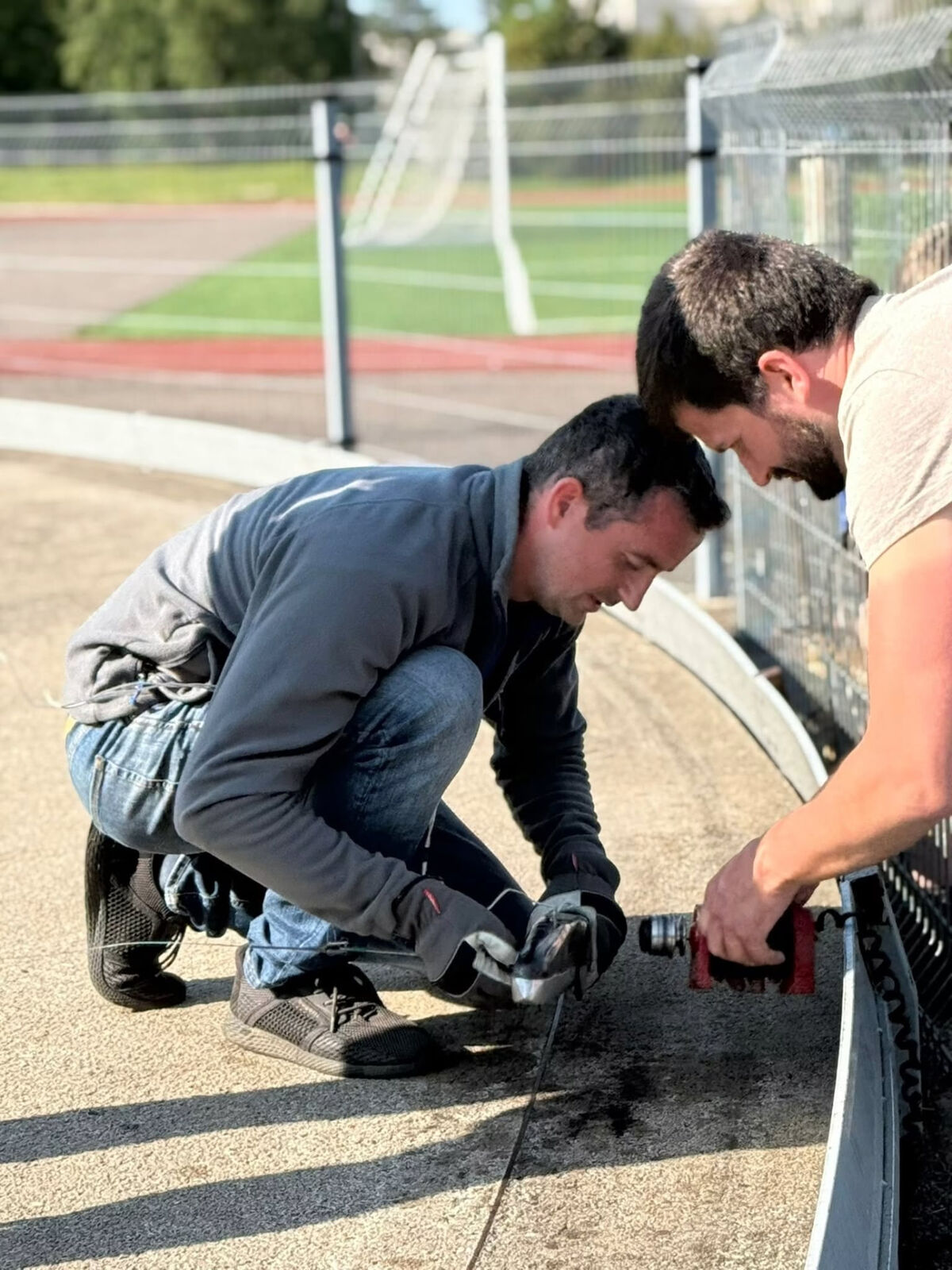
Teamwork
Teamwork means recognising that the group's result depends on everyone, and acting accordingly.
Communication
Short, clear and respectful messages prevent misunderstandings, especially when time or safety matters.
Respect
Respect for each person's effort and ideas makes it easier for everyone to contribute honestly.
Shared goals
When a team agrees on what it is trying to achieve, decisions become simpler and effort is better directed.
Responsibility
Being dependable — arriving prepared, finishing tasks, admitting mistakes — is the foundation of trust.
Ethical leadership
Good leaders act fairly, explain their decisions and put the group's wellbeing ahead of personal recognition.
Cooperation
Cooperation sometimes means doing the less visible task so that someone else can succeed.
Problem-solving
Groups that discuss problems openly usually find better solutions than individuals working in isolation.
Conflict resolution
Disagreements are normal. Listening first, focusing on the issue rather than the person, and seeking a fair compromise helps teams move on.
Personal accountability
Owning one's part in both success and failure encourages honesty and continuous improvement.
Constructive feedback
Feedback is most useful when it is specific, timely and offered with the intention of helping.
Community participation
Leadership skills developed in a club often find their way into school councils, volunteering and local initiatives.
Questions or ideas?
Write or call using the published contact details. We welcome correspondence on youth development, sports, technical education and community engagement.