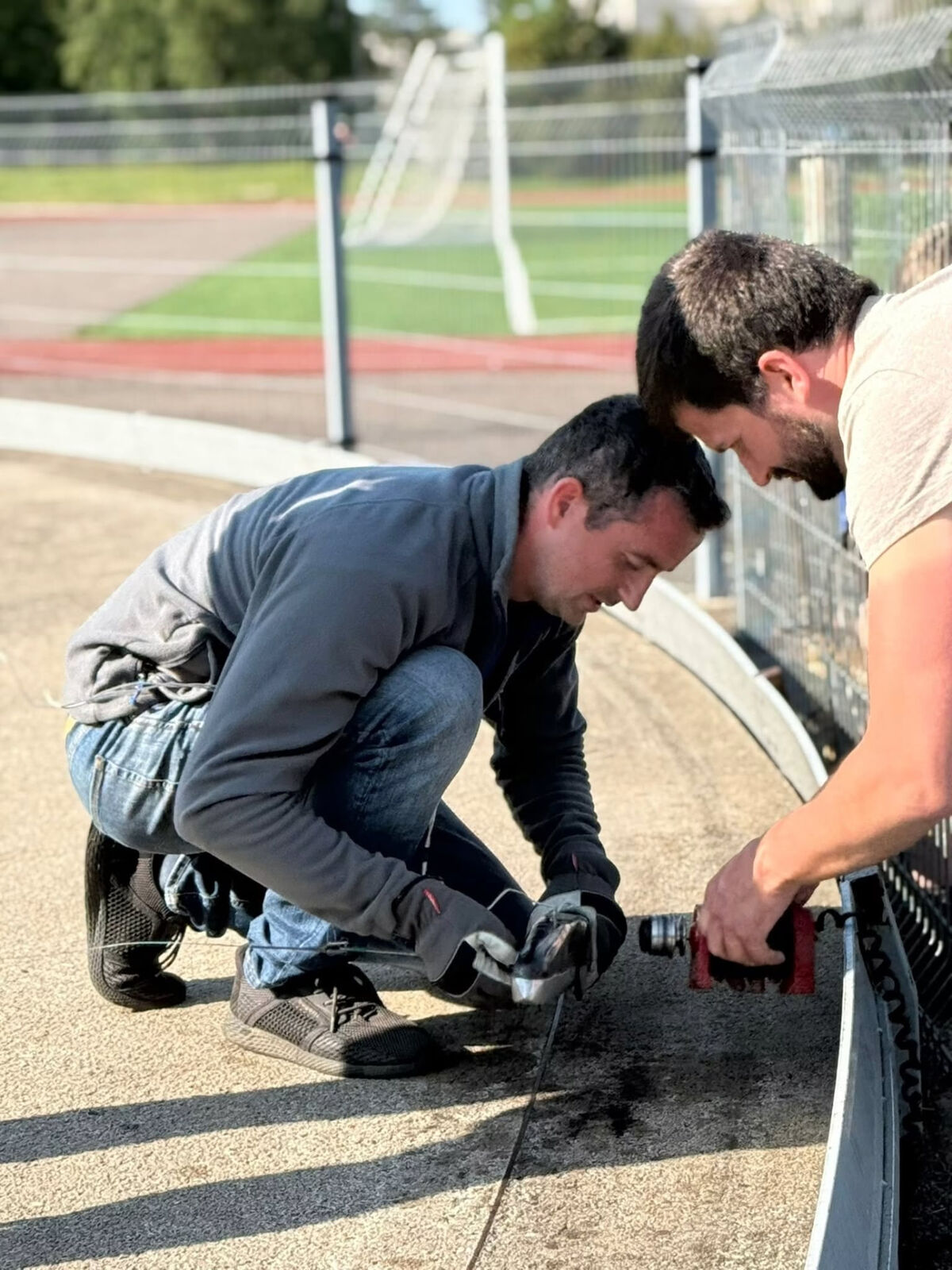
Leadership is often imagined as a title or a position. In practice, most leadership in youth activities is informal: helping a newcomer, organising equipment, or calmly suggesting a plan when the group is stuck.
Everyone has a role
In any shared task, from preparing a model for a run to organising an event, there are many roles. Some are visible, others are not, but each one matters.
Recognising this helps young people value contributions that are easy to overlook.
Communication under pressure
When time is short or safety matters, communication must be clear and brief. Learning to speak and listen effectively in these moments is a real skill.
Leading by example
Young leaders rarely need to give orders. Arriving prepared, treating others with respect and taking responsibility for mistakes sets a standard others follow.
Handling disagreement
Disagreement is normal in any team. Focusing on the problem rather than the person, and listening before replying, keeps cooperation possible.
Conclusion
Teamwork and leadership are learned through practice, not lectures. Youth activities offer countless small opportunities to practise both.
Related pages: Teamwork & Leadership · Our Values